Washing rice until the water runs clear
Every grain of white rice arrives wearing a dusting of loose surface starch. Cook it as-is and that dust turns to glue: the pot froths over, the bottom sticks, the bowl of rice eats like porridge that lost its nerve. Rinsing is not a ritual for purists. It is the difference between grains that stand apart and a paste.
How many rounds it actually takes
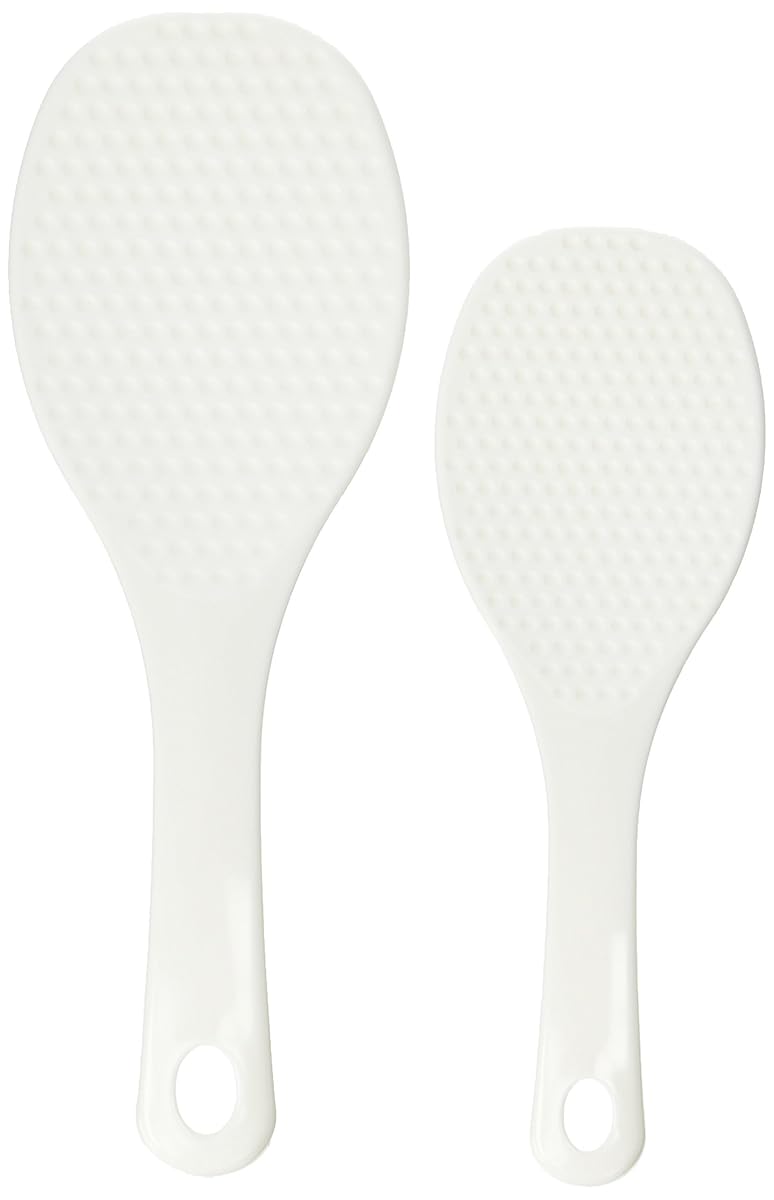
Fewer than the internet says. Cold water in, a dozen brisk stirs with your fingers or a paddle, drain, again. By the third or fourth round the water goes from milk to faint mist, and faint mist is done. Chasing perfectly clear water washes flavor out along with the starch, so stop at nearly clear.
Use cold water the whole way. Warm water starts cooking the outside of the grain while you are still washing it, and the pot will finish the job unevenly.
Where the bowl earns its keep
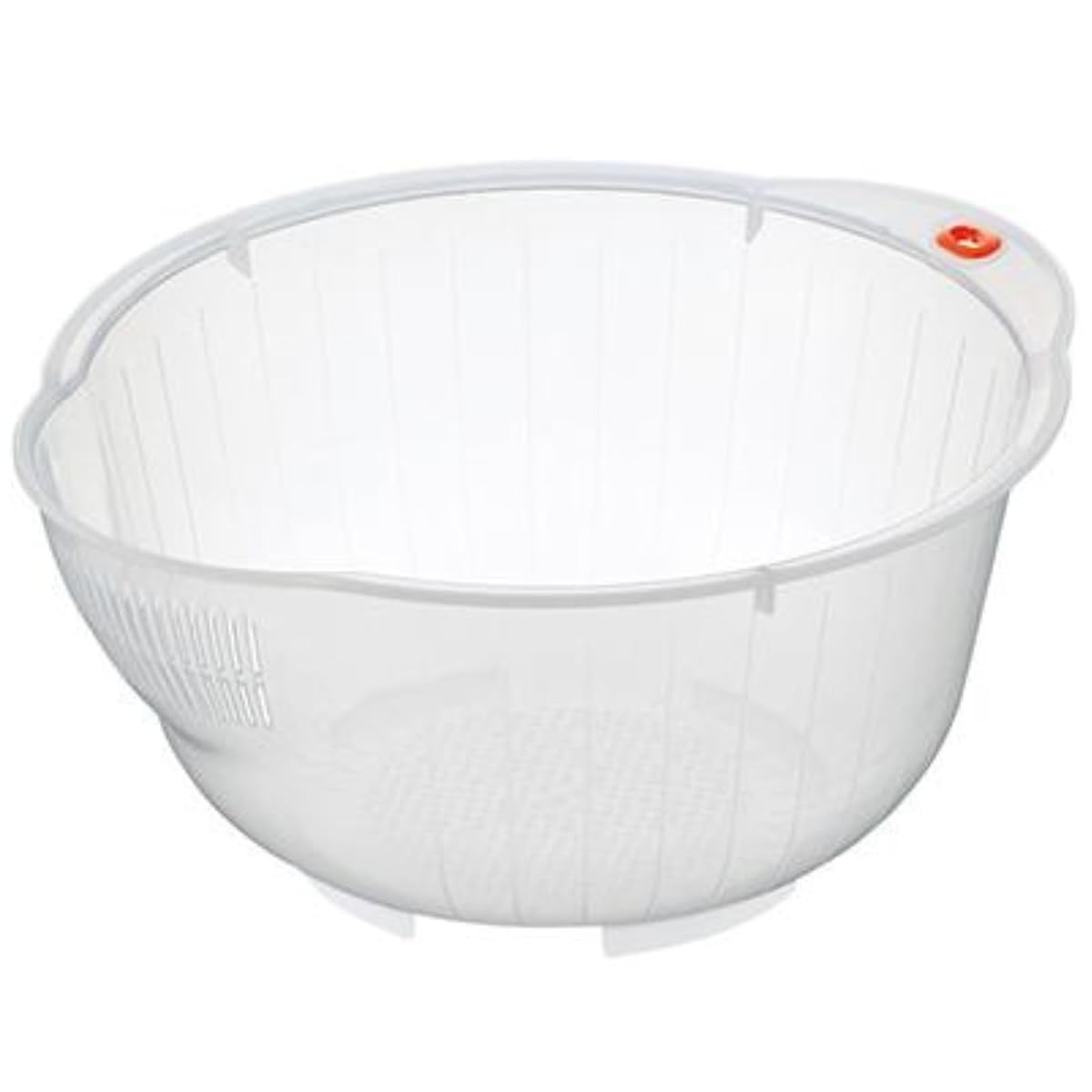
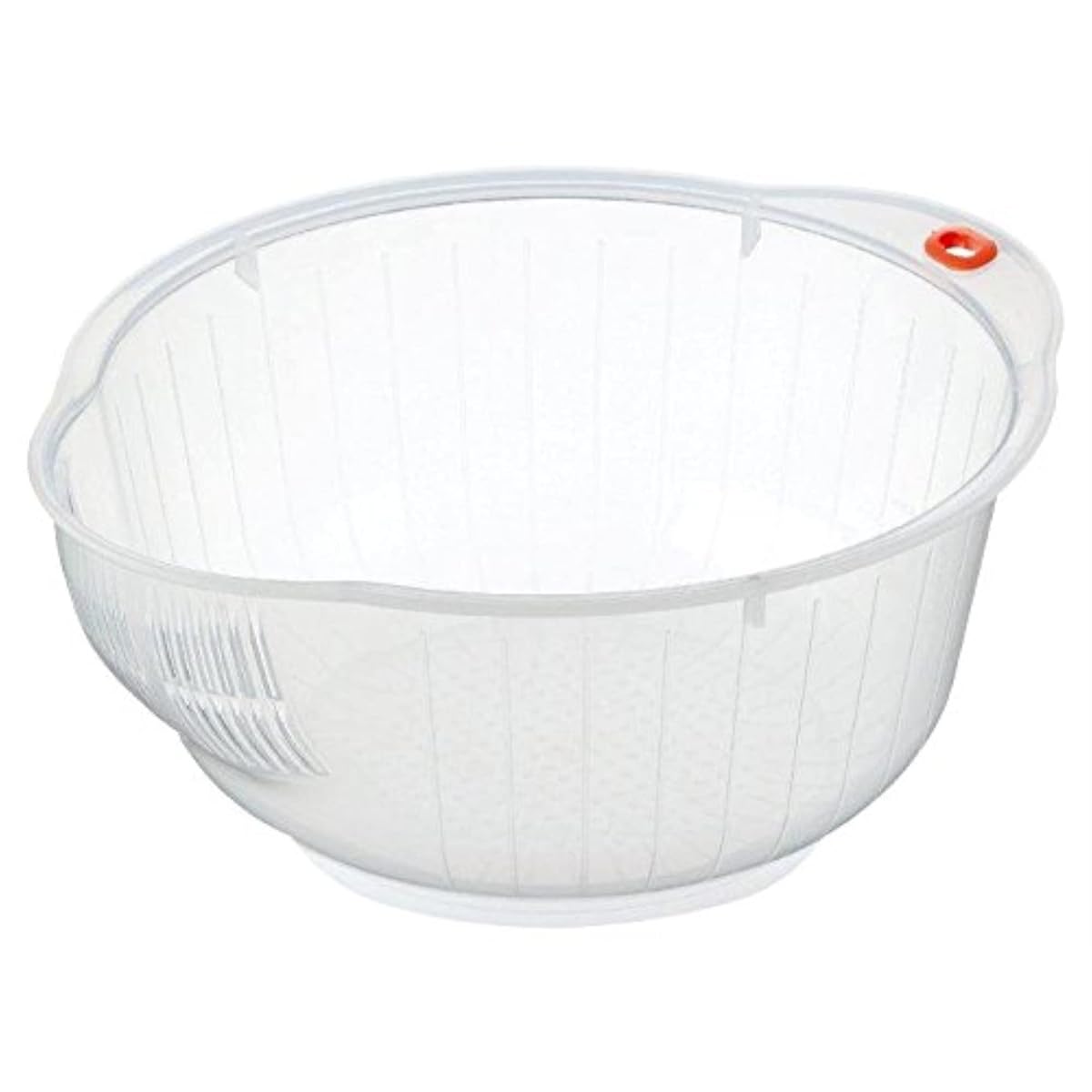
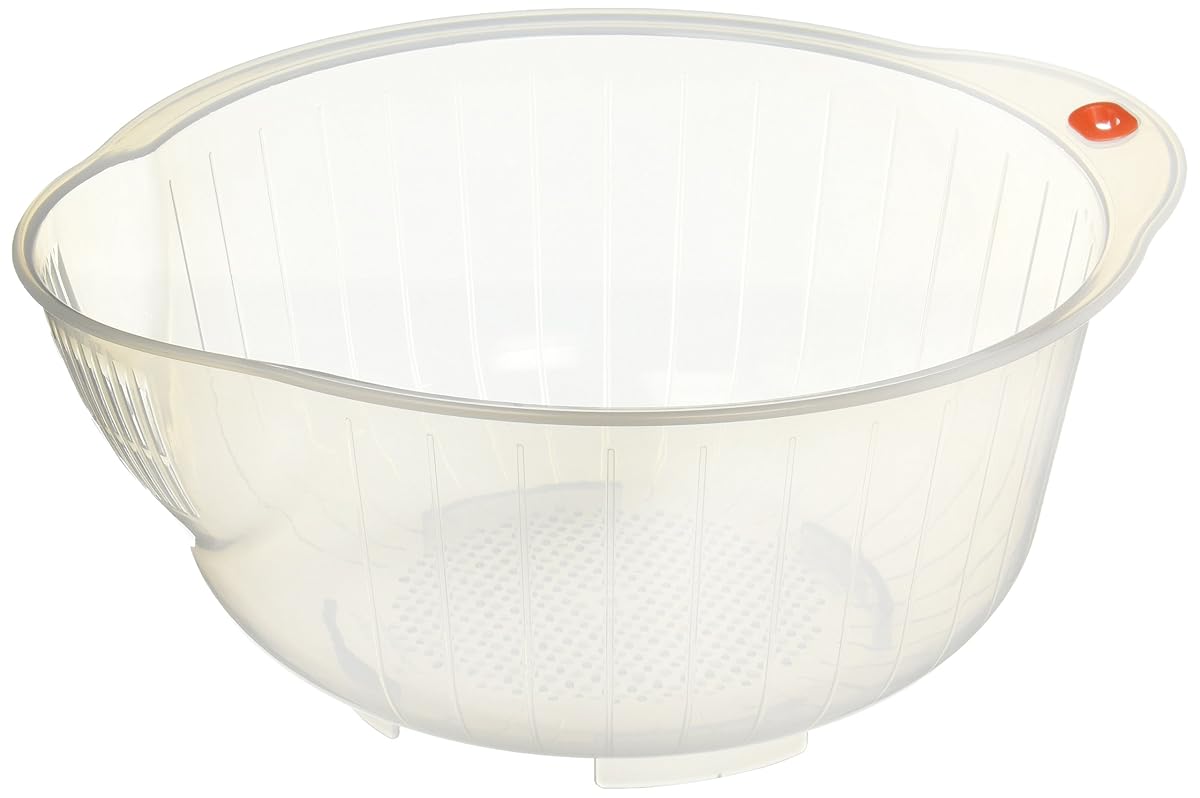
The tedious part of rinsing was never the stirring. It is the drain: tip a plain bowl and a spoonful of good rice rides the water into the sink, so you drain timidly, and the cloudy water stays. We moulded slits into the wall of our washing bowls for exactly this moment. Tip with confidence; water leaves through the side, rice stays on the ribbed floor, and the ribs scrub the grains for you as they tumble.
Whole ceremony, start to finish: under two minutes. Your pot will show you the difference the same evening.